SHOCAL wasn't born in a boardroom or dreamed up by venture capitalists. It started with a simple observation during the 2020 lockdowns: local businesses were dying, and the big delivery platforms were making it worse.
The Problem We Saw
During the pandemic, everyone turned to delivery apps. But the fees those platforms charged – often 30% or more per order – were devastating for small businesses already struggling to survive. Many local restaurants and shops were working harder than ever but making less money.
Meanwhile, customers wanted to support local. They just didn't know how. The big platforms promoted chains and paid advertisers, while brilliant independent businesses remained hidden.
A Different Approach
We believed there had to be a better way. What if there was a platform built specifically for local businesses? One that charged fair fees, promoted independents, and kept money circulating in local communities?
That's the vision behind SHOCAL. We're not trying to compete with the big delivery apps – we're trying to create an alternative that actually works for local businesses and the communities they serve.
More Than Food Delivery
From the start, we knew SHOCAL had to be more than just another food delivery app. Local high streets offer so much more – florists, gift shops, event tickets, services. We wanted to create a platform that could support all of these.
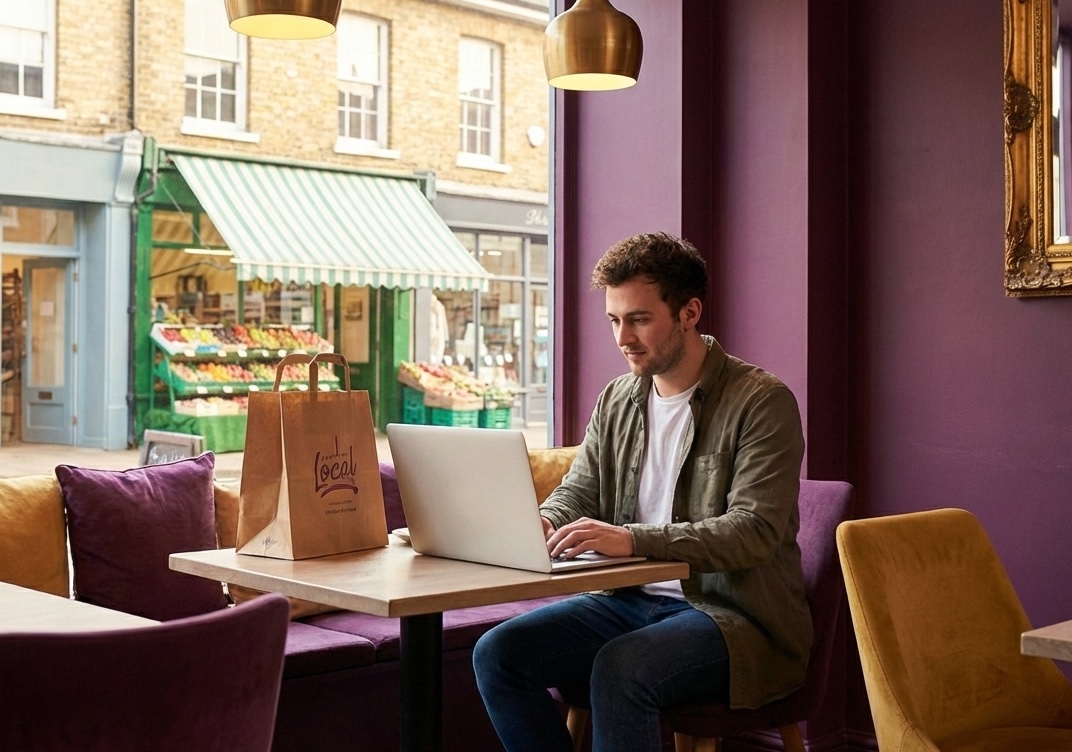
Today, SHOCAL connects customers with local restaurants, shops, events, and services. Whether you're ordering dinner, buying flowers, or getting tickets to a local gig, you can do it all while supporting independent businesses.
The Journey Continues
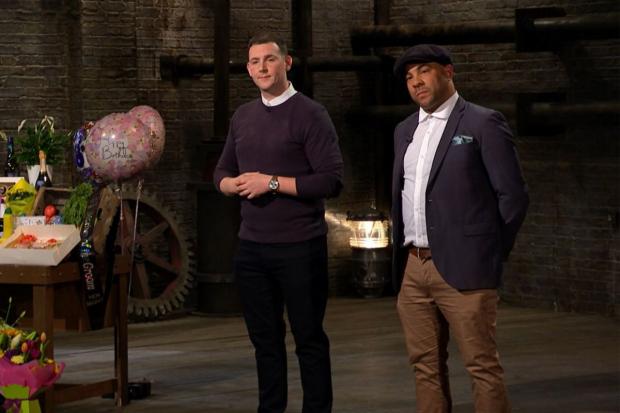
We've come a long way since those early lockdown days. We've served thousands of customers, partnered with hundreds of local businesses, and even pitched on Dragons' Den. But we're just getting started.
Our mission remains the same: to help local high streets thrive by making it easy for people to discover and support brilliant independent businesses in their community.